How Does It Work?
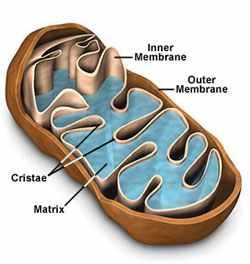
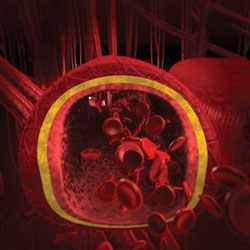
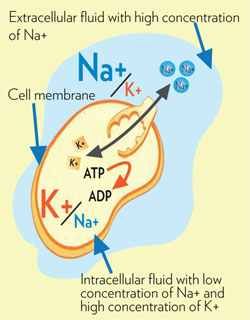
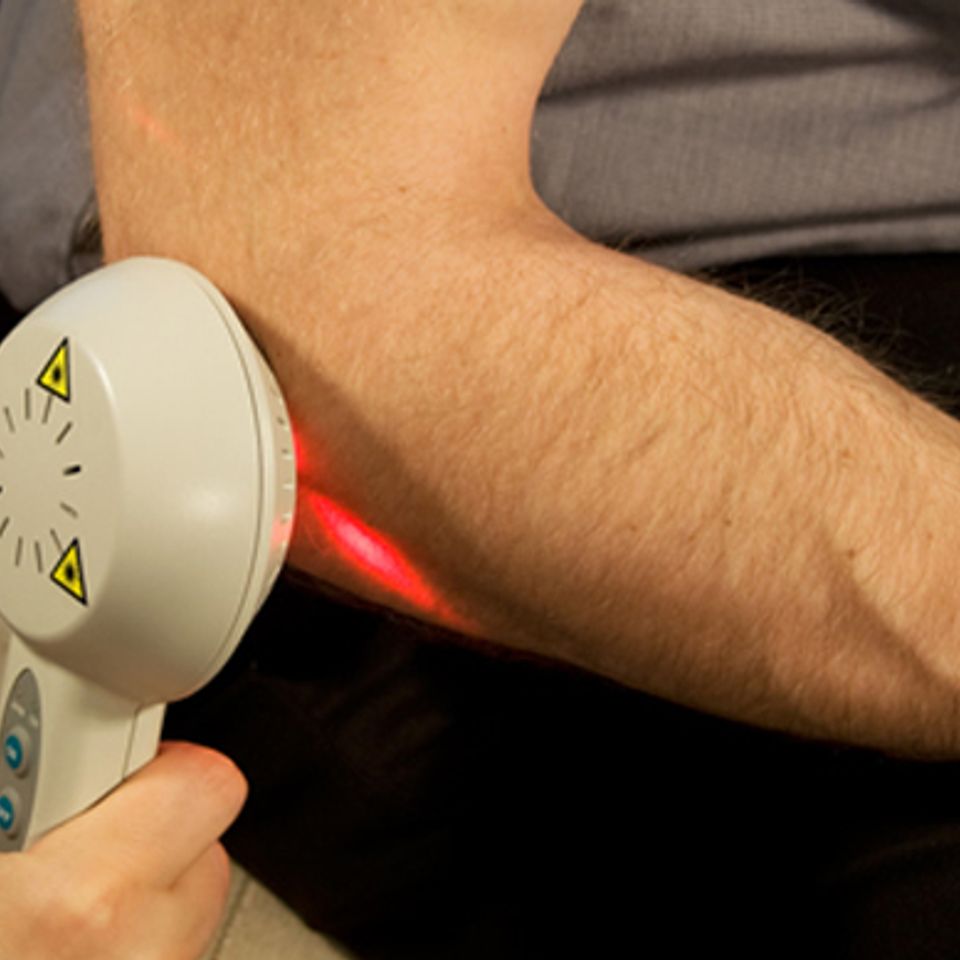
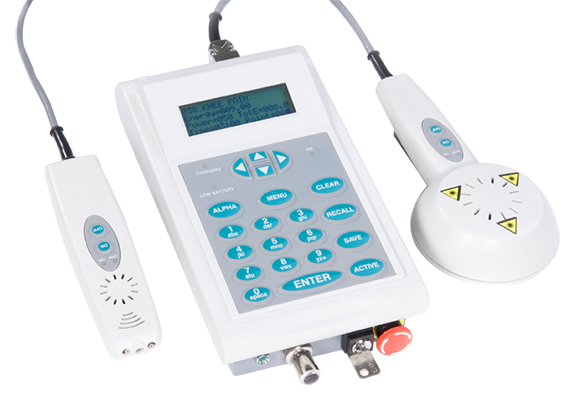
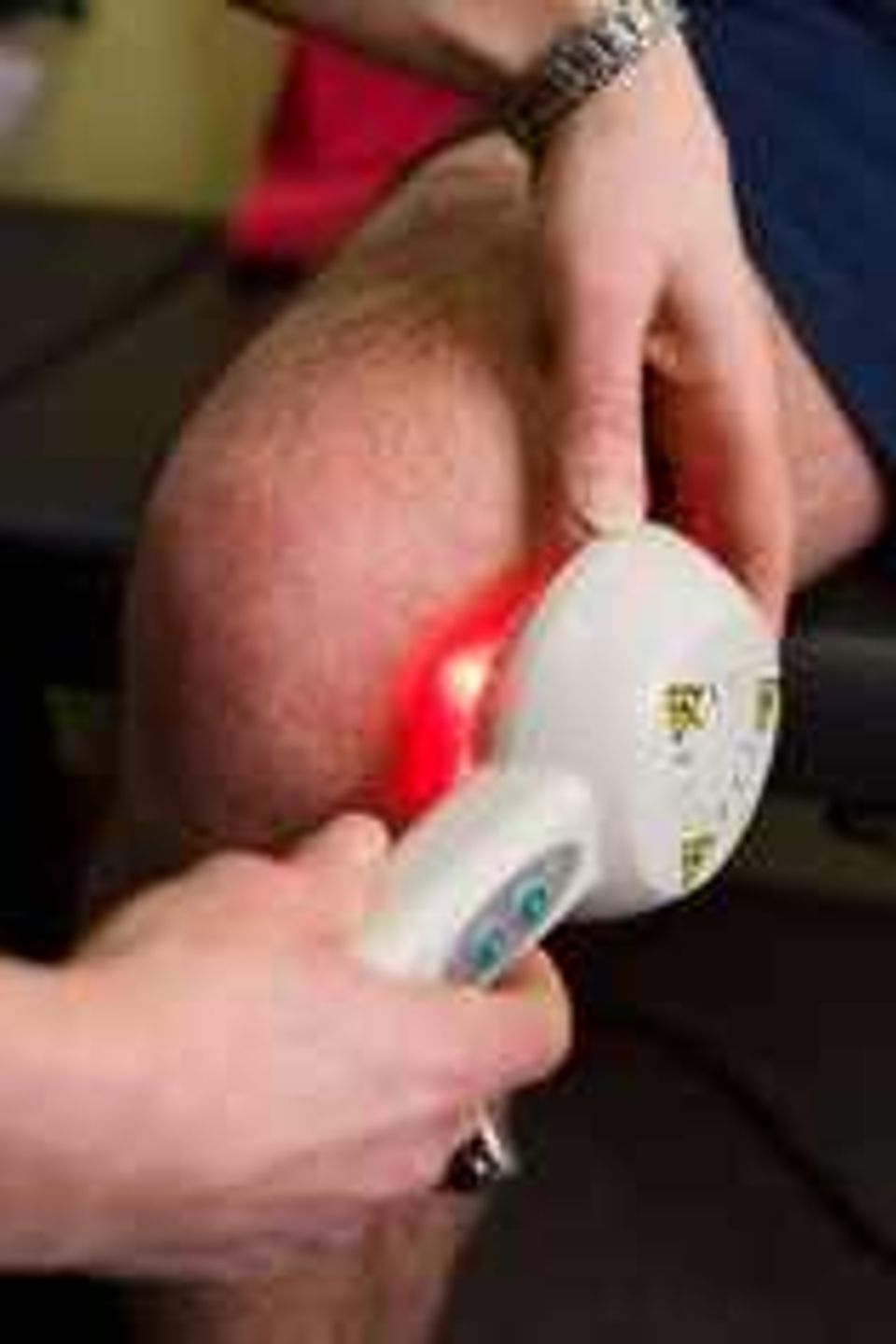
Lower Level Laser Therapy (LLLT) uses therapeutic lasers to deliver a wavelength of monochromatic light in the 660 and 905 nanometer (nm) spectrum that penetrates up to 10 cm into the targeted tissue. These light particles known as photons stimulate the mitochondria in the target cells, causing an increased production rate of adenosine triphosphate (ATP), which provides cells energy in order to heal tissue at accelerated rates.
Why and how is Cold Laser Therapy effective?
Much of the safety and effectiveness of cold laser therapy lies in its ability to trigger the body to heal itself. Penetrating into targeted tissue, laser light stimulates mitochondria in target cells to produce additional ATP, which fuels cell repair and regeneration. The laser simply jumpstarts the healing process and since the laser used operates within a specific wavelength range that is non thermal (the "therapeutic window"), there is no risk of tissue damage or other complications.
A wide variety of studies on the safety and effectiveness of cold laser therapy have been conducted by medical professionals from across the globe. Theralase also regularly conducts research and clinical trials to support the use of and discover new applications for laser technology.
- Some recent topics include:
- Laser Therapy in the Management of Chronic Myofascial Pain of the Neck
- Action of Diode Laser in Orthopaedics and Traumatology
- Effects of Laser Therapy in the Management of Lateral Epicondylitis
- Acute Cervical Pain Relief with Gallium Arsenide (GaAs) Laser Radiation
- Efficacy of Low Level Laser Therapy for Fibromyalgia
Theralase utilizes dual wavelength super pulsing technology (630 nm visible red laser diodes and 905 nm super-pulsed near infrared laser diodes) to be the only laser known to activate all three known cellular pathways simultaneously.